Define the proposal boundary before buying software. CPQ should govern complex product configuration, pricing and discount rules. Contract lifecycle management should govern negotiated legal terms and later obligations. RFP response software should govern structured questionnaires and reusable answers. Proposal software should turn an accepted opportunity into a clear, approved offer that the buyer can review and accept, then return the final state to the CRM and delivery systems without losing version or authority.
Each company links to an official product page or primary source relevant to this guide. Monogram tiles identify the referenced organisation and do not imply endorsement.
Proposal management software helps teams assemble approved sales content, scope and commercial information, route internal review, share a controlled buyer experience, record revisions and capture acceptance. PandaDoc, Proposify, Qwilr, Better Proposals and Dock support different document and buyer collaboration models. Choose by replaying one ordinary proposal and one commercial exception from the CRM through final acceptance and downstream handoff.
What should proposal management software actually control?
The phrase proposal software covers document creation, interactive web proposals, buyer workspaces, quoting, electronic signature and formal response work. Those jobs can sit together in one product, but they do not become one authoritative record. A buyer needs to know where opportunity facts, approved content, pricing, legal terms, acceptance and downstream fulfilment are controlled. Define the sales motion, proposal types, content authority, pricing source, approval thresholds, buyer access, acceptance method, CRM writeback and contract, order or onboarding handoff before comparing products.
Which criteria matter when assessing proposal management software?
We observed current proposal management and sales proposal result sets, then reviewed official product pages for the shortlisted vendors and official CPQ, contract lifecycle management and RFP response material. We separated documented capability from Provena editorial analysis and did not use paid placement, vendor performance claims or an invented universal score. The review uses official documentation and independent practical analysis.
Choice
Best fit
Core strength
Main tradeoff
PandaDoc
teams wanting broad document creation, approval, signature and CRM workflow
templates, content, pricing tables, approvals, engagement tracking, electronic signatures and integrations in one document platform
buyers must define which pricing, contract and payment decisions remain authoritative elsewhere
Proposify
sales teams prioritising brand control and governed proposal production
central content and pricing libraries, locked elements, approvals, tracking and electronic signature
complex configuration, legal negotiation and downstream order control may still require connected systems
Qwilr
teams wanting interactive web proposals and buyer selectable commercial presentation
web based content, interactive pricing, engagement signals, signatures, payments and CRM automation
buyers should verify access, export, evidence and pricing authority for their legal and operational requirements
Better Proposals
smaller sales and service teams seeking a focused proposal workflow
rapid branded proposal creation, templates, signing, payments and follow up support
enterprise approval, data, security and integration depth need direct validation for larger teams
Dock
complex business to business sales where a buying group needs a persistent shared workspace
one buyer workspace for proposals, proof, plans, documents, collaboration and engagement evidence
a digital sales room may complement rather than replace document, signature, CPQ or contract systems
A practical comparison for proposal management software, from each option's public materials.
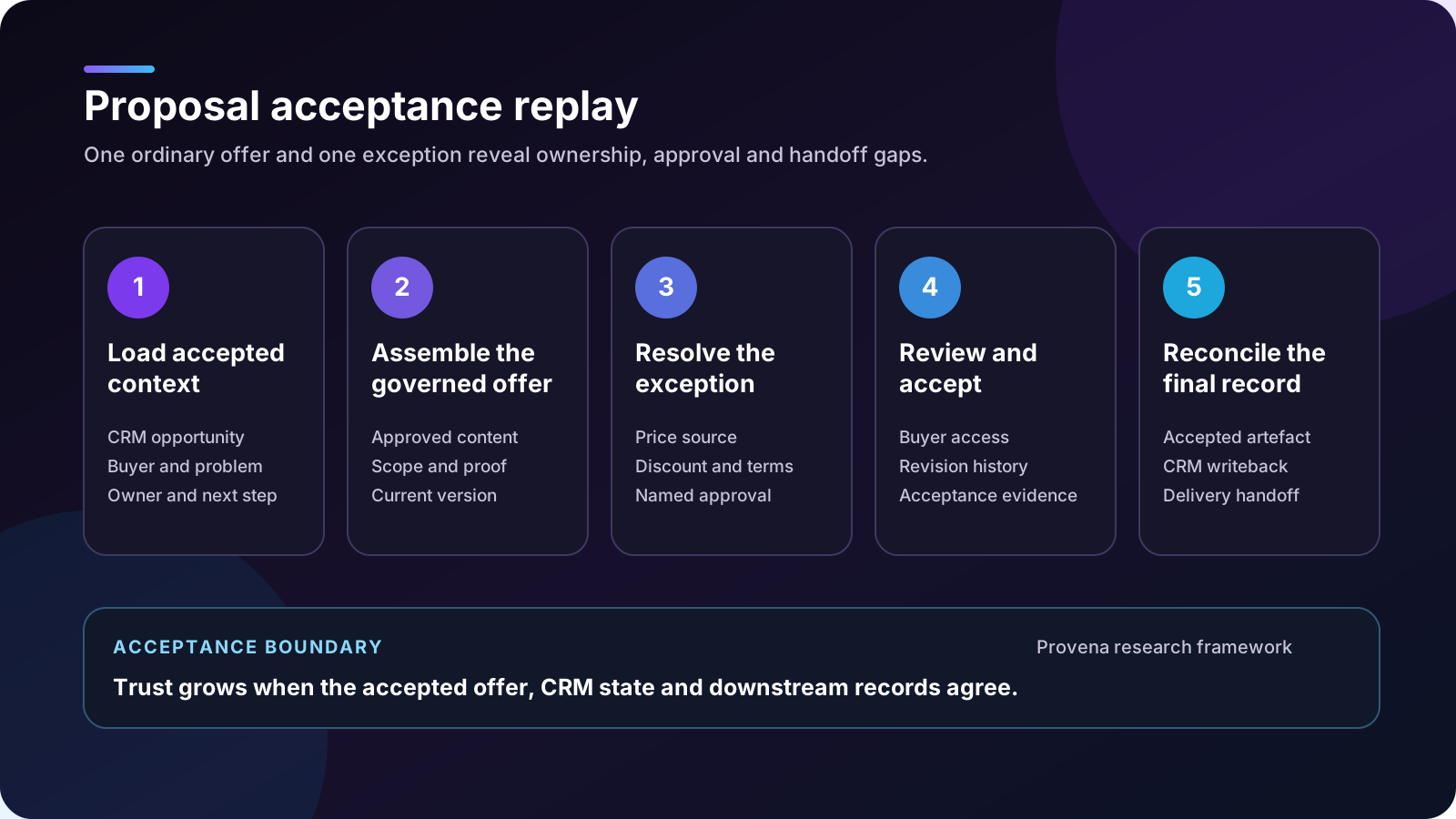
Provena proposal acceptance replay. Test one ordinary proposal and one exception, then reconcile the accepted version with the CRM and downstream records.
Which proposal acceptance replay exposes the real system boundary?
Start with a real CRM opportunity and an approved offer. Build one standard proposal and one version with a scope change, dated price, requested discount and second buyer approver. Route internal review, share the proposal, restrict access, record a buyer question, revise one controlled field, accept the final version and reconcile the signed or accepted artefact with the CRM, contract, order, billing and onboarding records. Preserve the source, owner and version of every material value.
Keep adjacent jobs explicit. The configure price quote software guide covers configurable products, price rules and commercial approvals. The contract lifecycle management software guide covers negotiation, execution, obligations and renewal. Formal RFP response platforms manage questionnaires, approved answer libraries and subject matter review. A digital sales room may wrap the proposal in a wider buyer workspace without becoming the authority for every underlying record.
Use the sales tools guide to place the proposal step after accepted opportunity context and before the final CRM and delivery handoff. The tool should reduce uncontrolled documents and rekeying without creating a second opportunity record.
Which proposal management software deserve a practical test?
PandaDoc: where does it fit?
PandaDoc describes reusable templates, a content library, pricing modules, approval workflows, engagement tracking, electronic signatures and CRM connections. Test source field mapping, locked content, conditional approval, recipient access, revision, final evidence and status writeback with the exact CRM and plan in scope. Suits teams wanting broad document creation, approval, signature and CRM workflow. Strongest where templates, content, pricing tables, approvals, engagement tracking, electronic signatures and integrations in one document platform matters. Test that buyers must define which pricing, contract and payment decisions remain authoritative elsewhere.
Proposify: where does it fit?
Proposify describes branded templates, reusable content, pricing controls, approval workflow, engagement analytics, signatures and CRM integrations. Prove who may edit each section, how current pricing enters, how exceptions are approved and which final fields and documents return to the opportunity record. Suits sales teams prioritising brand control and governed proposal production. Strongest where central content and pricing libraries, locked elements, approvals, tracking and electronic signature matters. Test that complex configuration, legal negotiation and downstream order control may still require connected systems.
Qwilr: where does it fit?
Qwilr presents proposals as interactive web pages with reusable content, pricing choices, signatures, payments, engagement analytics and automation. Test identity, sharing, permissions, selected options, revision history, acceptance evidence, PDF or record export and CRM updates rather than treating a page view as buyer intent. Suits teams wanting interactive web proposals and buyer selectable commercial presentation. Strongest where web based content, interactive pricing, engagement signals, signatures, payments and CRM automation matters. Test that buyers should verify access, export, evidence and pricing authority for their legal and operational requirements.
Better Proposals: where does it fit?
Better Proposals focuses on creating, sending, signing and following up on online proposals. It can suit a contained service sales process. Test template ownership, pricing accuracy, user roles, approvals, recipient experience, integrations, export and account offboarding before expanding adoption. Suits smaller sales and service teams seeking a focused proposal workflow. Strongest where rapid branded proposal creation, templates, signing, payments and follow up support matters. Test that enterprise approval, data, security and integration depth need direct validation for larger teams.
Dock: where does it fit?
Dock describes a shareable sales room that can hold a proposal, pricing, case studies, product material, security documents and a mutual action plan. Test stakeholder access, content versions, comments, proposal acceptance, engagement visibility and the final handoff while keeping each underlying commercial and legal record authoritative. Suits complex business to business sales where a buying group needs a persistent shared workspace. Strongest where one buyer workspace for proposals, proof, plans, documents, collaboration and engagement evidence matters. Test that a digital sales room may complement rather than replace document, signature, CPQ or contract systems.
Which buying situation is each proposal tool built for?
Proposal tools differ by the buying situation they assume: a document to sign, a page to explore, or a workspace to return to.
Tool
Assumes the buyer wants
Strength
Check
PandaDoc
A document to review, approve and sign inside a workflow
Templates, pricing tables, approvals, signature and CRM connection
Depth of the CRM write-back
Proposify
A branded, consistent proposal from a governed library
Locked content, pricing control and approvals
Flexibility when a deal needs an exception
Qwilr
An interactive page with options to choose
Web proposals, selectable pricing, engagement signals
How the chosen options reach the contract
Better Proposals
A fast, branded proposal to accept
Rapid creation, signing and payment
Governance as the team grows
Dock
One place to return to throughout a complex purchase
Persistent buyer workspace with proposal, proof and plan
Adoption by buyers unfamiliar with shared workspaces
The buying situation each proposal tool assumes, and what to check against the team's deals.
Look at the last ten deals the team lost after a proposal was sent. The reason they were lost tells you which tool to buy.
How should a team introduce its chosen approach to proposal management software?
Test proposal management software against a representative workflow before committing. First test: Define proposal types, buyer roles, source systems, acceptance evidence and downstream record owners. Include ordinary records, difficult exceptions and the people who will own the system after selection.
Define proposal types, buyer roles, source systems, acceptance evidence and downstream record owners.
Build one ordinary proposal and one exception with a scope change, discount and additional approver.
Test CRM field mapping, locked content, revisions, permissions, comments, acceptance and writeback.
Test expiry, withdrawal, correction, export, retention, failed integration and account offboarding.
Expand only when the final accepted offer reconciles with CRM, contract, order, billing and onboarding records.
Which mistakes distort decisions about proposal management software?
Selection risk around proposal management software usually appears when a polished feature list replaces a real workflow test. Make the following failure modes visible before migration, procurement or a longer commitment.
Buying proposal software to repair product configuration, pricing or legal obligation problems that belong in CPQ or CLM.
Allowing editable content, prices or terms without a named owner, effective version and approval rule.
Treating opens, time on page or repeated views as proof that a buying committee accepts the offer.
Moving an opportunity to won before final acceptance and the downstream commercial handoff reconcile.
This article provides general software selection information. Proposal acceptance, electronic signatures, contracts, pricing, tax, security, privacy, records and commercial authority vary by organisation and jurisdiction. Qualified legal, finance, security, procurement and technology owners should review the proposed workflow.
How should teams measure progress with proposal management software?
Measure proposal preparation time, content and pricing corrections, approval delay, unauthorised changes, failed sends, buyer access problems, revisions, acceptance time, CRM writeback failures, downstream reconciliation, user adoption and administrator effort. Treat engagement signals as context, not proof of buyer intent or forecast accuracy.
Where can Provena support work involving proposal management software?
Proposal software vendors need segmentation by sales motion, CRM, commercial complexity, buyer committee, document process and accountable revenue operations owner. A credible go to market motion demonstrates one accepted proposal journey with its sources and handoffs rather than promising that a polished document closes every deal. Review the B2B outbound service and Provena case studies before deciding whether support fits.
Which sources should guide a shortlist for proposal management software?
What is the best proposal software for a B2B sales team?
+
It depends on what the proposal has to do. For a team that needs documents, approvals, signatures and CRM workflow together, PandaDoc is the broad choice. For a team that needs brand control and governed pricing, Proposify locks the elements that should not change. For interactive web proposals with buyer-selectable options, Qwilr. For a smaller team wanting speed, Better Proposals. For complex sales where a buying group needs a persistent shared space rather than a document, Dock. The proposal tool should match the way the buyer decides, not the way the seller writes.
What should proposal management software control?
+
Three things: which content and pricing sellers may use, which changes require approval, and what the buyer did with the proposal. Content and pricing libraries stop the version drift that costs deals and margin. Approval rules stop a discount reaching the buyer before finance sees it. Engagement tracking tells the seller which section the buyer opened three times. A tool that only produces attractive documents leaves all three problems where they were.
How should proposal software connect to the CRM?
+
The proposal should be created from the opportunity, pull the account, contacts and products from it, and write back its status and the signed value. That removes the two errors that recur in every sales team: proposals sent with last quarter's price list, and won deals whose CRM record still says proposal sent. When evaluating, create a proposal from a CRM opportunity in the demo and check what the CRM shows after it is signed. If a person has to update the opportunity by hand, the integration is cosmetic.
Which risk should teams watch with proposal management software?
+
Two, for proposal management software. First: Buying proposal software to repair product configuration, pricing or legal obligation problems that belong in CPQ or CLM. Second: Allowing editable content, prices or terms without a named owner, effective version and approval rule.
How can Provena support work around proposal management software?
+
Proposal software vendors need segmentation by sales motion, CRM, commercial complexity, buyer committee, document process and accountable revenue operations owner. A credible go to market motion demonstrates one accepted proposal journey with its sources and handoffs rather than promising that a polished document closes every deal. For work on proposal management software, review Provena's B2B outbound service and confirm fit in a conversation before choosing support.
Research briefing
Join the Vertical SaaS Growth Briefing
Receive new research on niche market selection, buyer intent, customer acquisition and qualified pipeline for B2B software teams.
Turn this research into qualified pipeline.
Thirty minutes on your market, your pipeline constraint and the next practical step, including where Provena does not fit.