A vertical label is not enough. A credible product understands the industry’s work objects, language, permissions, exceptions, integrations and measures of value. Begin with one painful control point and earn dependable usage there. Add adjacent operations, payments, data or AI only when they reuse trusted records or distribution. The company examples below show current product identity and scope. They do not prove universal fit, performance or market quality.
Each company links to an official product page or primary source relevant to this guide. Monogram tiles identify the referenced organisation and do not imply endorsement.
Vertical SaaS is software built around the workflows, records, roles and constraints of one industry. The useful test is whether it owns a real control point, such as dealer operations, policy distribution, legal matters, construction projects, field jobs, restaurant orders, patient encounters or hotel stays. The map below separates 12 categories by buyer, authoritative record and costly exception. It is illustrative, not a ranking.
What is vertical SaaS, and which industries use it?
Vertical SaaS markets range from regulated global industries to fragmented local operators. The shared advantage is not market size alone. It is the ability to encode an industry workflow more usefully than horizontal tools and disconnected point products. The same industry can contain several separate control points, so a category name cannot replace a record and exception map. Choose the recurring industry workflow the product will own, the buyer and roles accountable for it, the authoritative records it must maintain and the expensive exception it must recover before defining a broad platform roadmap.
What should a practical review of vertical SaaS software examine?
We reviewed current vertical SaaS benchmark research and official product pages, then built a Provena control point map by comparing the buyer, owned work, authoritative records and expensive exceptions in each category. The map is curated and illustrative. It is not exhaustive, ranked, a market size estimate or an investment recommendation. Vendor pages establish product identity and stated scope, not fit or performance. The review uses official documentation and independent practical analysis.
Step or choice
Best fit
Desired outcome
Risk to manage
Automotive retail
dealer groups and dealerships choosing a connected retail operating model
vehicle, customer, deal and repair order records can connect across dealership work
manufacturer, accounting, rooftop and group boundaries can make migration material
Insurance distribution
agencies, MGAs and carriers coordinating distribution and programme operations
client, submission, policy, premium, claim and commission records can share governed workflows
delegated authority, carrier connections, bordereaux and reconciliation create difficult boundaries
Legal practice
law firms choosing how matters and client work should be administered
matter, client, calendar, document, time and billing records can remain connected
confidentiality, conflicts, trust accounting and access require local review
Banking and lending
financial institutions modernising relationship and lending work
customer, application, document, decision, condition and loan records can follow one governed journey
product, regulatory, approval and servicing boundaries differ across institutions
Construction
contractors and owners coordinating work across office, field and finance
project, drawing, commitment, change, cost and field records can stay connected
project access, accounting integration and offline work create costly exceptions
Field service trades
service operators coordinating office, technician and customer work
customer, asset, job, schedule, estimate, invoice and service history can share one workflow
dispatch changes, recurring service, inventory and failed accounting sync need recovery
Ecommerce operations
merchants coordinating catalogue, order, fulfilment and customer operations
product, customer, order, inventory, payment and fulfilment records can move through governed states
storefront, order, warehouse and finance systems can each claim to be the source of truth
Restaurants
restaurant groups and operators joining front of house, kitchen and payment work
menu, order, location, guest, staff and payment records can share restaurant context
pharma and biotech teams managing regulated development and commercial work
clinical, regulatory, safety, quality, content and customer records can use industry specific controls
validated change, permissions, global process and inspection evidence create a high assurance boundary
Healthcare practices
ambulatory practices joining clinical and administrative work
patient, encounter, appointment, order, result, claim and communication records can remain connected
privacy, safety, clinical judgement and billing rules require qualified ownership
Property management
property managers coordinating leasing, residents, maintenance and owner finance
property, unit, applicant, lease, resident, work order and ledger records can share one operating record
owner accounting, resident data, vendor work and portfolio structure create material exceptions
Hospitality
hotels and groups coordinating reservations, stays, operations and payments
guest, room, reservation, rate, stay, service and payment records can connect across a property
property and group synchronisation, outages, channel changes and settlement need reliable recovery
A practical comparison for vertical SaaS software, from each option's public materials.
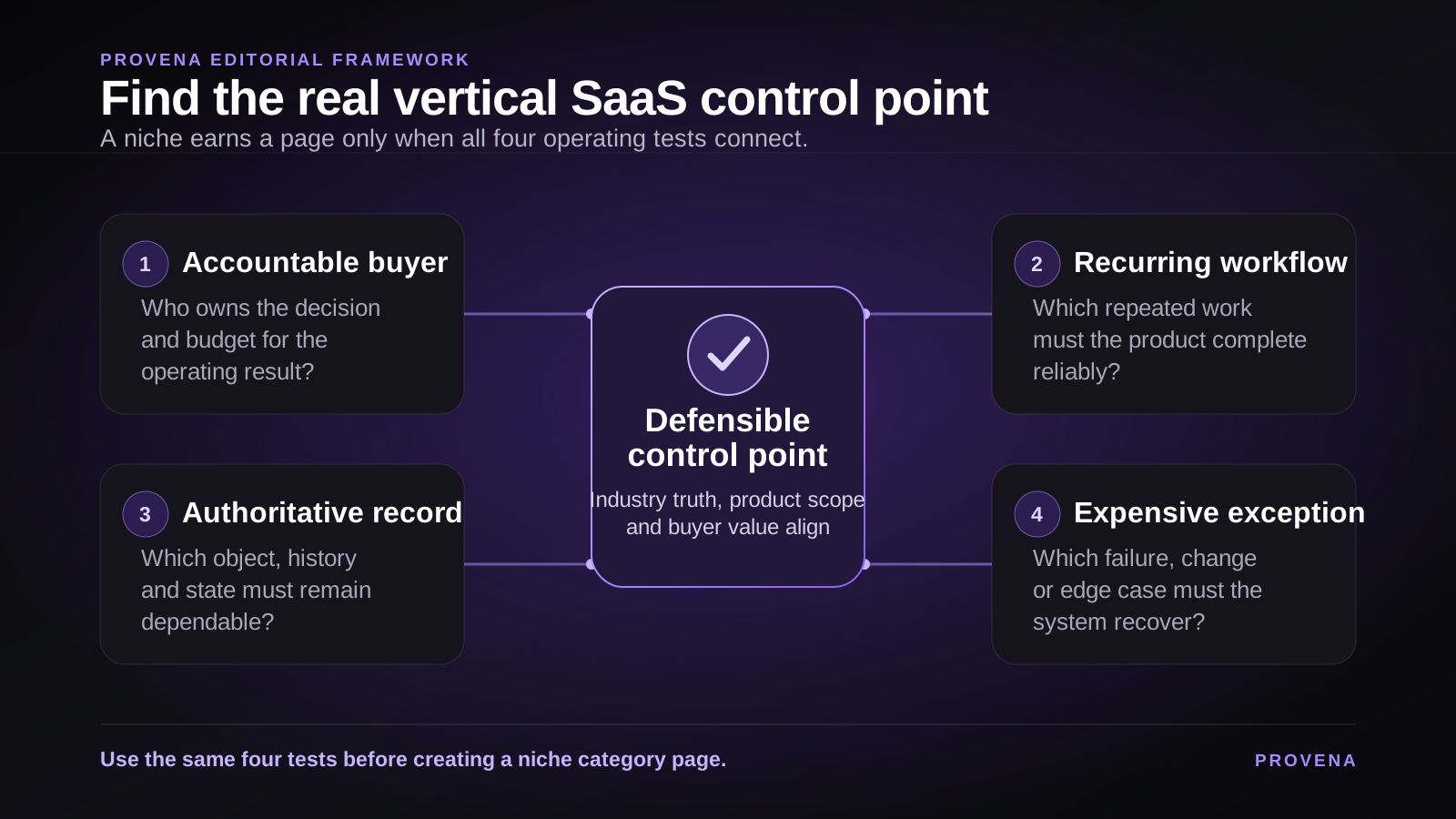
Provena editorial framework for deciding whether a niche supports a defensible vertical SaaS control point.
How was this vertical SaaS category map constructed?
Tidemark reports that its 2025 benchmark covers more than 200 vertical SaaS companies across 20 sectors. Its published summary associates control point choice, multiple products, embedded fintech and AI with different growth opportunities. Those survey findings are directional evidence, not a forecast for one company.
Each row is separated by four editorial tests: the accountable buyer, recurring work, authoritative record and expensive exception. The named company is one current product example supported by its official page. It is not a universal recommendation or a claim that one vendor owns the whole category.
Seven established categories link to a deeper Provena guide that has passed the same intent and source review. Healthcare, life sciences, property and hospitality remain mapped here rather than receiving thin standalone articles until demand, distinct buyer evidence and qualified review support them. The vertical SaaS growth marketing guide covers the distribution and measurement path after the category boundary is clear.
Which parts of vertical SaaS software need a closer look?
Automotive retail: what changes in practice?
The automotive dealership software guide maps DMS, CRM, inventory, retail and fixed operations. Tekion is one current platform example. Test whether group and rooftop records, manufacturer connections, accounting and staff workflows survive a complete transaction and service cycle. Suits dealer groups and dealerships choosing a connected retail operating model. Strongest where vehicle, customer, deal and repair order records can connect across dealership work matters. Test that manufacturer, accounting, rooftop and group boundaries can make migration material.
Insurance distribution: what changes in practice?
The insurance software types guide separates agency, policy, rating, claims and distribution records. Novidea is one current distribution example. Test delegated authority, carrier connections, bordereaux, reconciliation and ownership of each policy transaction. Suits agencies, MGAs and carriers coordinating distribution and programme operations. Strongest where client, submission, policy, premium, claim and commission records can share governed workflows matters. Test that delegated authority, carrier connections, bordereaux and reconciliation create difficult boundaries.
Legal practice: what changes in practice?
The legal technology software guide maps practice, intake, document, research and matter systems. Clio is one current practice management example. Test one matter from enquiry through closure, including conflicts, permissions, billing and dependable export. Suits law firms choosing how matters and client work should be administered. Strongest where matter, client, calendar, document, time and billing records can remain connected matters. Test that confidentiality, conflicts, trust accounting and access require local review.
Banking and lending: what changes in practice?
The financial services software guide maps banking, wealth, investor and compliance systems. nCino is one current banking platform example. Test the exact product journey, decision authority, audit evidence and record passed into servicing and finance. Suits financial institutions modernising relationship and lending work. Strongest where customer, application, document, decision, condition and loan records can follow one governed journey matters. Test that product, regulatory, approval and servicing boundaries differ across institutions.
Construction: what changes in practice?
The construction software types guide maps project, estimating, accounting, CRM and subcontractor systems. Procore is one current platform example. Test one project through estimate, commitment, change, field evidence, invoice and closeout. Suits contractors and owners coordinating work across office, field and finance. Strongest where project, drawing, commitment, change, cost and field records can stay connected matters. Test that project access, accounting integration and offline work create costly exceptions.
Field service trades: what changes in practice?
The field service management software guide maps intake, dispatch, field execution and commercial closeout. ServiceTitan is one current platform example. Test an ordinary job, an urgent reschedule and a failed downstream sync. Suits service operators coordinating office, technician and customer work. Strongest where customer, asset, job, schedule, estimate, invoice and service history can share one workflow matters. Test that dispatch changes, recurring service, inventory and failed accounting sync need recovery.
Ecommerce operations: what changes in practice?
The ecommerce software types guide separates storefront, order, product, fulfilment and retention decisions. Shopify is one current commerce platform example. Test an order through payment, split fulfilment, amendment, return, refund and reconciliation. Suits merchants coordinating catalogue, order, fulfilment and customer operations. Strongest where product, customer, order, inventory, payment and fulfilment records can move through governed states matters. Test that storefront, order, warehouse and finance systems can each claim to be the source of truth.
Restaurants: what changes in practice?
Toast is one current restaurant platform example. Its official page connects point of sale, orders, operations and payments. A buyer should test one busy service period, an offline interval, a refund, tip handling and settlement rather than comparing feature counts alone. Suits restaurant groups and operators joining front of house, kitchen and payment work. Strongest where menu, order, location, guest, staff and payment records can share restaurant context matters. Test that offline service, tips, refunds, channel orders and settlement require explicit recovery.
Life sciences: what changes in practice?
Veeva is one current life sciences industry cloud example. Its official page spans product development and commercial applications. Buyers should define the exact regulated process, accountable owner, validation evidence, access model and change control before evaluating platform breadth. Suits pharma and biotech teams managing regulated development and commercial work. Strongest where clinical, regulatory, safety, quality, content and customer records can use industry specific controls matters. Test that validated change, permissions, global process and inspection evidence create a high assurance boundary.
Healthcare practices: what changes in practice?
athenaOne is one current healthcare practice example covering electronic health records, practice management, billing and patient engagement. This map does not give clinical or compliance advice. A buyer should test a representative patient journey with qualified clinical, privacy, security and revenue cycle owners. Suits ambulatory practices joining clinical and administrative work. Strongest where patient, encounter, appointment, order, result, claim and communication records can remain connected matters. Test that privacy, safety, clinical judgement and billing rules require qualified ownership.
Property management: what changes in practice?
AppFolio is one current property management platform example. Its official page describes accounting, leasing, maintenance and resident workflows. Test a vacancy through application and lease, then a maintenance request, owner report and corrected ledger event. Suits property managers coordinating leasing, residents, maintenance and owner finance. Strongest where property, unit, applicant, lease, resident, work order and ledger records can share one operating record matters. Test that owner accounting, resident data, vendor work and portfolio structure create material exceptions.
Hospitality: what changes in practice?
Mews is one current hospitality platform example. Its official page connects property management, reservations, operations, payments and revenue tools. Test a booking change, arrival, room move, added service, payment exception and group level update. Suits hotels and groups coordinating reservations, stays, operations and payments. Strongest where guest, room, reservation, rate, stay, service and payment records can connect across a property matters. Test that property and group synchronisation, outages, channel changes and settlement need reliable recovery.
What is the record of truth in each vertical, and who buys around it?
Every vertical platform is organised around one record that the industry cannot operate without. Naming it tells a founder what the product has to integrate with and who signs the contract.
Vertical
Record of truth
Usual buyer
Incumbent to integrate with or replace
Automotive retail
The deal and the repair order
General manager or dealer principal
The DMS
Insurance distribution
The policy and the premium
Agency principal, MGA operations lead or carrier COO
The AMS or policy core
Legal practice
The matter
Managing partner or practice director
Practice management and document systems
Banking and lending
The loan and the customer
Head of lending or operations
The core banking system
Construction
The project and its commitments
Operations or preconstruction lead
Project management and accounting
Field service trades
The job
Owner or operations manager
Scheduling and invoicing tools
Healthcare practices
The patient encounter
Practice administrator
The EHR and practice management system
Property management
The unit and the lease
Property manager or owner
Property accounting
The record of truth, buyer and incumbent system in the major vertical SaaS markets.
A vertical product that does not read or write the record of truth is a point solution the incumbent can absorb. Decide early whether the product owns that record, extends it, or sits beside it.
How should teams put plans for vertical SaaS software into practice?
A workable plan for vertical SaaS software needs a named owner, a contained first test and a review date. First action: Define the industry, customer segment, workflow owner and costly operating problem precisely. Keep the first cycle narrow enough to learn without hiding a weak assumption inside volume.
Define the industry, customer segment, workflow owner and costly operating problem precisely.
Map the system of record, users, permissions, integrations, exceptions and measurable value.
Verify product, security, compliance, implementation and pricing claims in current primary documentation.
Test one representative workflow with real roles, difficult exceptions and a recovery path.
Measure adoption, completed work, data quality, service outcomes, retention and operating effort.
Expand only when the workflow and commercial evidence support the next product or market step.
Which vertical SaaS software mistakes create avoidable risk?
Execution risk around vertical SaaS software usually begins with unclear ownership or a test that cannot produce useful evidence. Review the following failure modes before the first live cycle.
Calling a product vertical because its landing page names an industry while the workflow remains generic.
Choosing a large market without proving buyer access, urgency, budget and a repeatable operating problem.
Adding payments, AI or extra modules before the core workflow and authoritative records are dependable.
Treating implementation, migration, integration and customer success as work that begins after the sale.
Product capabilities and policies affecting vertical SaaS software change. Verify the current documentation, run a contained test and judge the result against your own workflow before committing.
How should teams measure progress with vertical SaaS software?
Measure a vertical SaaS control point through workflow completion, record accuracy, exception recovery, adoption by accountable roles, implementation effort, retention and the customer result the workflow exists to improve. For market coverage, track qualified discovery by category and whether the page leads readers to a relevant specialist guide, solution or conversation. Visits and product breadth do not prove product market fit.
Vertical SaaS growth depends on industry research, product credibility, precise account data, useful content and a sales motion that reflects how the chosen buyers actually operate. Review the B2B software development service and Provena case studies before deciding whether support fits.
Which sources support this guide to vertical SaaS software?
What is vertical SaaS and how is it different from horizontal SaaS?
+
Vertical SaaS is software built for one industry's workflow, records and rules, such as a dealership management system, a legal practice platform or an insurance policy core. Horizontal SaaS is built for a function that exists in every industry, such as CRM, accounting or email. The practical difference is where the customer's data model lives: a vertical product ships with the industry's records already defined, so the customer adapts less and integrates less; a horizontal product needs configuration and integration work to fit the industry. That is also why vertical products can charge on outcomes the industry recognises.
Which industries have the strongest vertical SaaS platforms?
+
The industries with the deepest platforms are the ones where the operating record is complex and regulated: automotive retail, insurance distribution, legal practice, banking and lending, healthcare practices and life sciences. Construction, field service, property management, hospitality, restaurants and ecommerce operations have strong platforms too, usually organised around the job, the unit or the order rather than a regulated record. The opportunity for a new entrant is rarely the industry with no platform; it is the workflow the incumbent platform handles badly.
How should a founder choose a vertical for a SaaS product?
+
Choose the vertical where the founder can name the record of truth, the person who owns it and the moment it breaks, from direct experience or from twenty customer conversations. Then check three things: whether buyers already pay for software in that workflow, whether the incumbent is bundled with a system they cannot leave, and whether the founder can reach the buyer without paid acquisition. The vertical with the biggest market is usually the wrong one; the vertical with the clearest unmet workflow and a reachable buyer is right.
Which risk should teams watch with vertical SaaS software?
+
Two, for vertical SaaS software. First: Calling a product vertical because its landing page names an industry while the workflow remains generic. Second: Choosing a large market without proving buyer access, urgency, budget and a repeatable operating problem.
How can Provena support work around vertical SaaS software?
+
Vertical SaaS growth depends on industry research, product credibility, precise account data, useful content and a sales motion that reflects how the chosen buyers actually operate. For work on vertical SaaS software, review Provena's B2B software development service and confirm fit in a conversation before choosing support.
Research briefing
Join the Vertical SaaS Growth Briefing
Receive new research on niche market selection, buyer intent, customer acquisition and qualified pipeline for B2B software teams.
Turn this research into qualified pipeline.
Thirty minutes on your market, your pipeline constraint and the next practical step, including where Provena does not fit.